I previously wrote about my interest in computational materials discovery, a field that uses computer models, simulations, databases, and artificial intelligence to study materials before they’re ever made in a lab. Today, I want to focus on one part of this field that I find especially interesting: autonomous laboratories.
At first, the phrase “autonomous laboratory” may sound like science fiction. However, it can simply be thought of as a system wherein computation, robotics, materials data, and human judgment work together. That is, a computer model suggests a promising material. Then, a robotic system prepares and processes a sample of that material, after which an instrument measures the sample’s various properties. Thereafter, software uses that result to decide what experiment should happen next and helps assess the viability of the material.
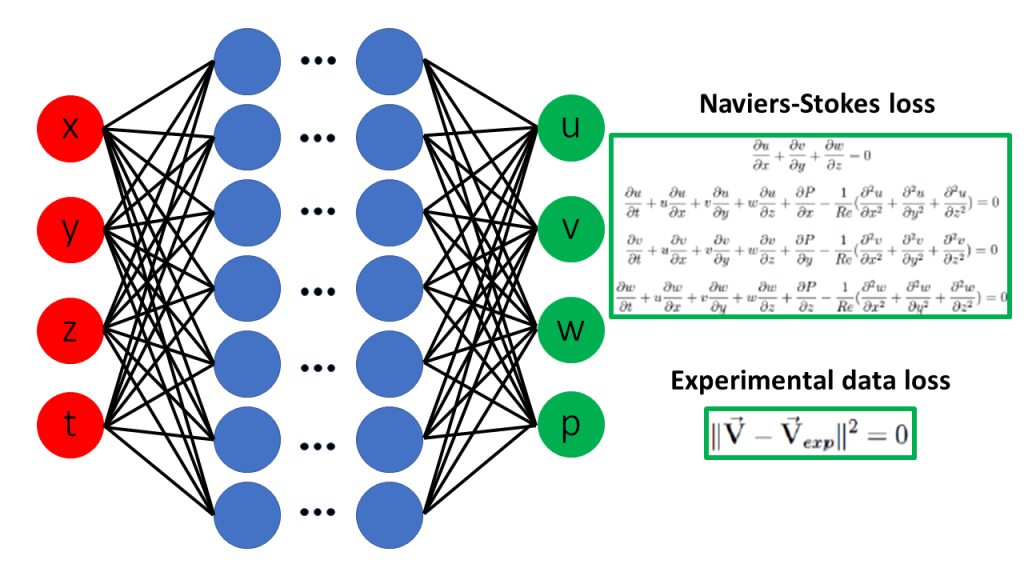
Image taken from Wikimedia Commons, credited to Riccardo Munafò
This topic sits near the center of what I hope to study after graduation. As a mechanical engineering student, I’m currently learning how real systems behave. Yet, as someone interested in studying materials science in the future, I also want to understand how the materials inside those systems are discovered, tested, and improved. Hence, autonomous labs interest me because they facilitate both endeavors at once.
Image taken from EWI’s article “Automated Solutions to Improve Foundry Processes”
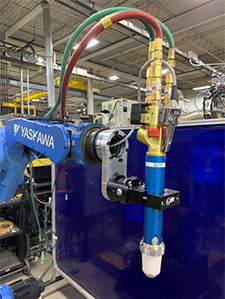
If researchers can discover useful materials faster, engineers may eventually have more options when designing real systems, such as lighter composites, more stable battery materials, stronger coatings, better semiconductors, and etcetera.
However, while I think there’s vast potential in this emerging field, I won’t pretend to know all its ins and outs. I’ve taken inspiration from a lot of the writing around this topic that’s already happening in different places. For example, I really enjoyed the research article “An autonomous laboratory for the accelerated synthesis of inorganic materials” which discusses the A-Lab, a system designed to synthesize inorganic materials using robotics, machine learning, literature data, and active learning. The central idea is simply that while computers can predict many possible materials, the difficult part is proving that those materials can actually be made. Even so, the technical nature of the writing makes it difficult to meaningfully engage with this limitation.
I was able to find a more public-facing explanation in Berkeley’s page on autonomous experimentation for accelerated materials discovery, which shows a closed-loop system where robotic synthesis, machine-learned interpretation of data, and AI-guided decision-making are brought together. I prefer this explanation because it makes the lab sound less like one indecipherable machine and more like a research cycle with distinguishable, tangible components.
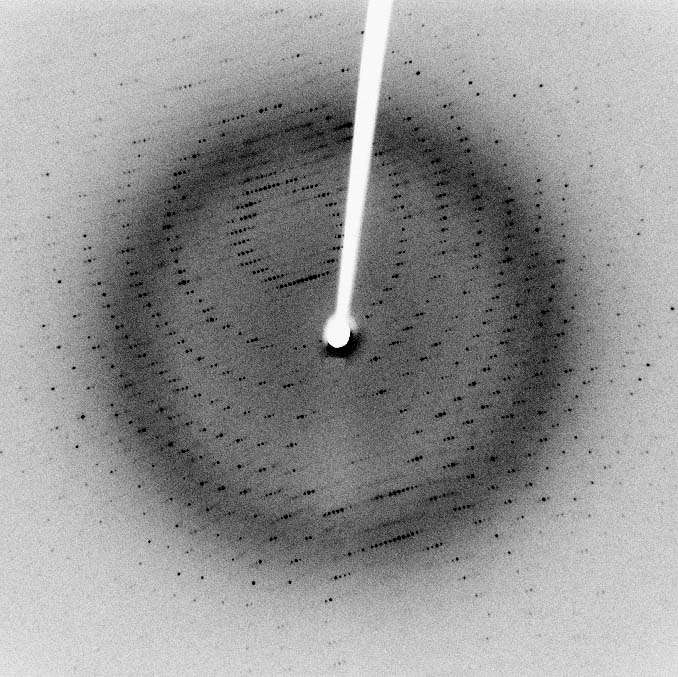
Image taken from Wikimedia Commons, credited to Jeff Dahl
I think such scrutiny and understanding of the work being done by autonomous AI in research is increasingly important given its expanding adoption across research groups. The University of Chicago article “AI-driven, autonomous lab at Argonne transforms materials discovery”, for example, describes Polybot, an automated materials laboratory used to explore electronic polymers. These materials combine some of the flexibility of plastics with electronic function, which could matter for wearable devices, printable electronics, and energy storage. To me, such examples indicate that autonomous labs are no longer limited to just studying the characteristics of unusual crystals. Now, they can also be used to improve processing methods and create materials that are easier to manufacture.
I want people to grapple with what this expanding viability of AI in research actually entails. People outside engineering circles increasingly hear about AI through headlines that make it sound magical or frightening. However, we all need to understand that while AI is powerful, it’s not magic. It does not instantly create finished batteries, aircraft parts, or medical implants. It helps researchers narrow down possibilities and learn from results. The physical world still has the final say.
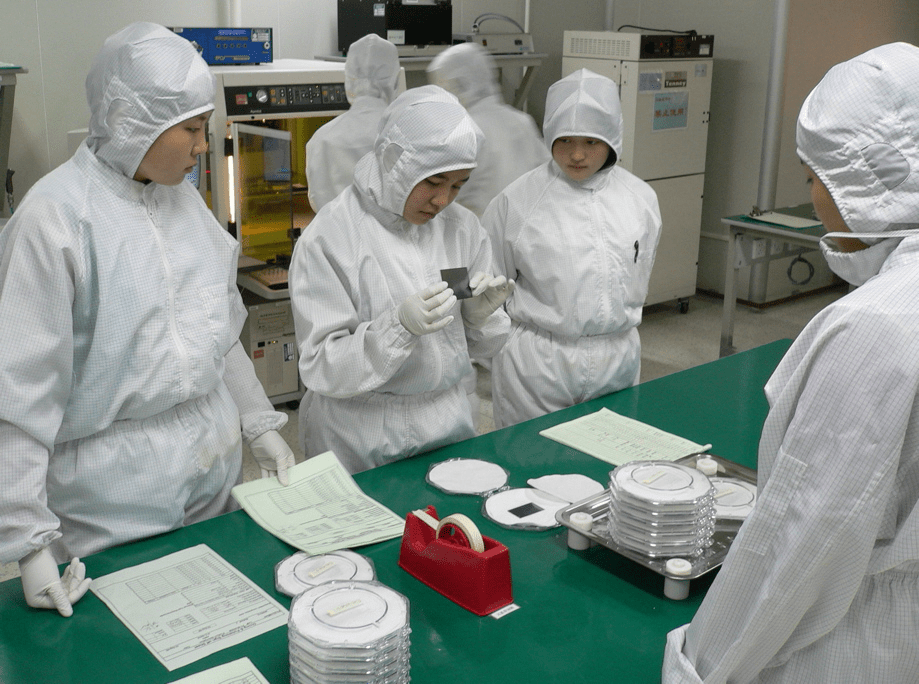
Image taken from Wikimedia Commons, credited to Steve Jurvetson
That distinction is what I ultimately want to emphasize and explore. When Google DeepMind wrote about millions of new materials discovered with deep learning, the numbers were exciting, but they do little to explain what comes after the prediction. A predicted material is not the same as a usable material. It needs synthesis, testing, scaling, and that crucial aspect of engineering judgment. Some public science writing, such as WIRED’s article “Google DeepMind’s AI Dreamed Up 380,000 New Materials. The Next Challenge Is Making Them”, captures this issue well by focusing on the gap between digital discovery and physical reality.
However, I want to shine an even brighter light on the topic. People need to understand that materials discovery affects everyday life even when it is invisible. They notice a novel accessory, but they don’t notice or, often, appreciate the materials research that made those technologies possible. Autonomous labs matter because they may help speed up the discovery of materials that are stronger, cleaner, lighter, safer, or more efficient.
Such results are made even more important by virtue of them having both global and local implications. Materials affect energy, transportation, medicine, electronics, construction, and space exploration around the world. More locally, they show up in ordinary places: batteries in cars, chips in computers, coatings on tools, parts in airplanes, materials in hospitals, and civilian infrastructure.
Autonomous labs may not replace scientists, but they will change how scientists and engineers work by making the hidden process of materials discovery easier to see. That makes them worth understanding now, before the technologies they help create become part of everyday life.
 Ashton Petersen
Leave a comment